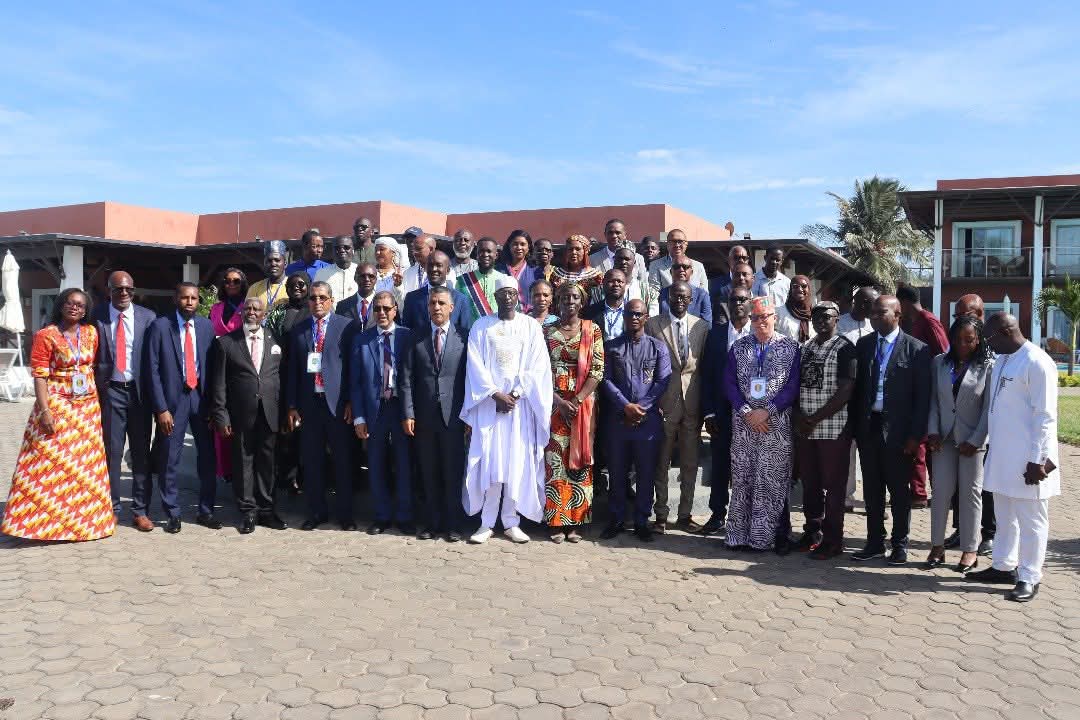
The National Assembly of The Gambia is currently hosting the Extraordinary General Assembly of the Alliance of Local Parliamentarians and Elected Representatives for the Protection of the Environment of West African Littoral Countries (APPEL), bringing together lawmakers to address the urgent environmental crises facing the region’s coastlines.
Organized by the National Assembly’s Parliamentary Caucus on the Regional Partnership for Coastal and Marine Conservation (PRCM), the event is being held alongside a high-level regional workshop. The gathering has drawn parliamentarians from nearly eight West African nations to Banjul with the aim of revitalizing APPEL and strengthening inter-parliamentary cooperation under the WACA ResiP2 programme.
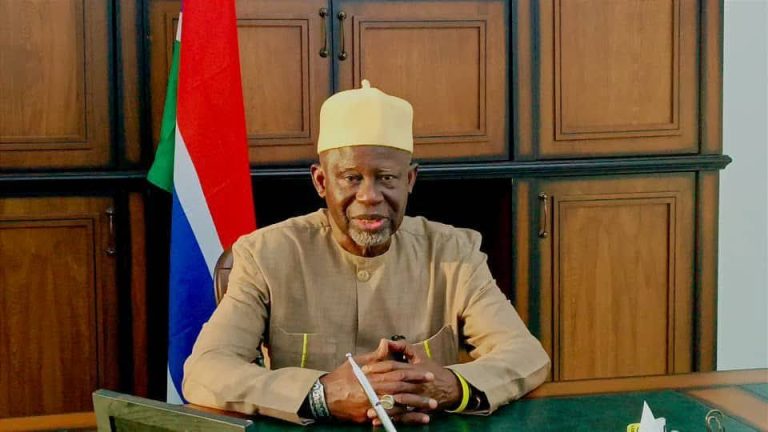
Presiding over the opening ceremony, the Deputy Speaker of the National Assembly, Hon. Seedy S.K. Njie, described the situation facing coastal nations as critical. “In The Gambia, the Atlantic Ocean continues to encroach upon our beaches and infrastructure, while saltwater intrusion devastates farmlands vital to women rice farmers,” Hon. Njie stated.
Referencing global commitments made under the 2015 Paris Agreement and the Sharm El Sheikh Implementation Plan (COP27), the Deputy Speaker emphasized that for countries like The Gambia, climate change is no longer an abstract warning but a grave and imminent threat to human welfare.
The Hon. Deputy Speaker also reaffirmed the National Assembly’s commitment to using its constitutional powers to safeguard the environment. “We have reinforced the ban on plastic bags, strengthened parliamentary scrutiny over environmental agencies, and are currently reviewing the National Environment Management Act to tighten penalties for environmental infractions, including illegal sand mining,” he revealed.
Hon. Saikou Bah, National Assembly Member for Basse and Chairperson of the PRCM in The Gambia, contextualized the meeting within the global framework of the recent United Nations Ocean Conference in Nice. He highlighted the progress of the Biodiversity Beyond National Jurisdiction (BBNJ) Treaty, which has now secured 50 ratifications and 134 signatories.
“This development carries direct importance for The Gambia, a country whose economy, food security, and coastal community depend heavily on the ocean,” Hon. Bah explained whilst calling for strengthened national and regional actions as the treaty moves toward full global implementation.
Ahmed Senhoury, the Executive Director of PRCM, noted that the Assembly provides a crucial platform to move beyond discussion and toward practical solutions. He warned that despite the coastline being a primary source of food and livelihood for millions, it remains under siege from erosion, waste dumping, and the overuse of marine resources noting that these issues have a serious impact on marine life, making it necessary to rethink current strategies.
The Extraordinary General Assembly aims to enhance the capacity of local and national actors to mitigate these threats, ensuring a sustainable future for the West African marine environment.
About the Author