
By Alagi Yorro Jallow
What Do We Call a Coalition Built on Amnesia? When the Persecuted Embrace Their Persecutor: The UDP–APRC Alliance That Defies Memory.
Fatoumatta: There are moments in a nation’s political life when history screams. Today, The Gambia faces such a moment: the United Democratic Party (UDP), once the foremost opponent of Yahya Jammeh’s oppressive regime, is forming an alliance with the very faction that once supported their persecution. This union seems not just politically surprising but morally troubling—the persecuted now embrace the defenders of their persecutor for political gain. The core argument is this: when a party that stood as a symbol of resistance chooses expedience over its own hard-won principles, it shakes the ethical foundation of our democracy.
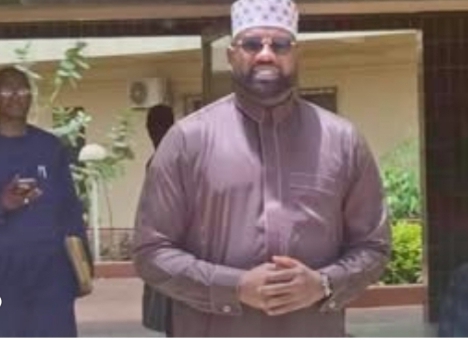
The UDP was not just any opposition party under Jammeh—it was targeted for destruction, producing martyrs recognized across our civic history. Ousainou Darboe, once jailed for resisting dictatorship, and his supporters suffered severe repression. Now, however, we see the same party allied with Almameh Gibba, once a leading defender of Jammeh’s crimes. The heart of the issue is this: the UDP is aligning with those who justify their suffering, raising the question of whether political principles are being sacrificed for expedience.
There is a term for victims who sympathize with their tormentors: Stockholm Syndrome. This political behavior recalls that analogy. How can a party once targeted by Jammeh now seek comfort with his loyalists? How does a leader who endured persecution now unite with their defenders? Is this strategy, desperation, or proof that in Gambian politics, memory and morality are negotiable?
Some politicians brand themselves as moral guardians—quick to condemn Barrow’s coalition with the moderate APRC and quick to call others opportunists. Now, those critics face a mirror. If Barrow’s moderate APRC alliance deserved criticism, what about UDP’s pact with hardline APRC loyalists, those who continue to idolize Jammeh and dismiss his abuses? When justifications for alliances shift with political needs, moral credibility collapses, and hypocrisy is plain to see.
Politics inevitably involves compromise and strategy, but requires that parties remain consistent in their memory and principles. The central argument: by neglecting their own traumatic history and values for short-term advantage, political leaders undermine justice and the broader democratic struggle. The country needs leaders who remember, uphold, and act on principle—not just those who pursue convenience.
History, victims, and future generations will judge how the persecuted could join with the persecutors’ defenders. They will question whether the principle has any real value and whether memory is truly negotiable in Gambian politics. The political class must choose: become builders of justice or practitioners of expedient amnesia, as the standards for leadership are set by what is remembered and defended.
Fatoumatta: How does a party that suffered so deeply under Jammeh now find comfort in the embrace of Jammeh’s loyalists? How does a leader who buried colleagues, defended detainees, and endured state persecution now stand shoulder to shoulder with those who justified that persecution? Is this a strategy? Is this desperation? Or is this the final proof that in Gambian politics, memory is negotiable and morality is seasonal?
About the Author