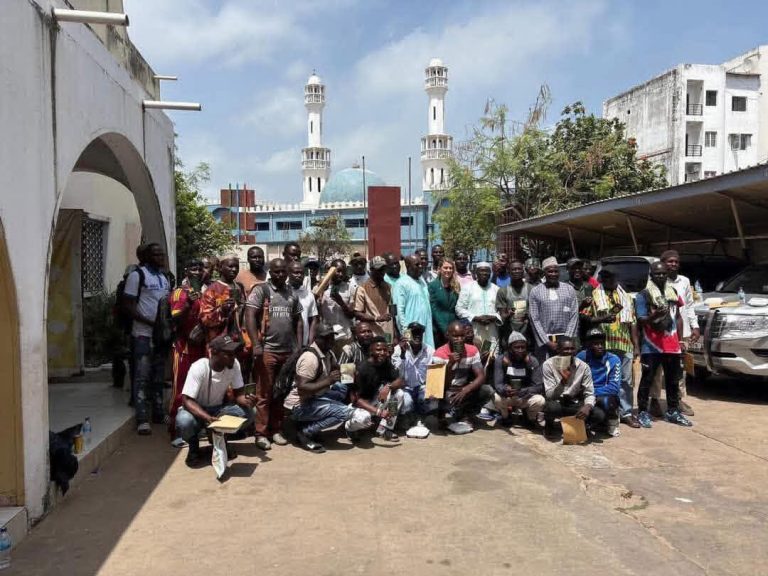
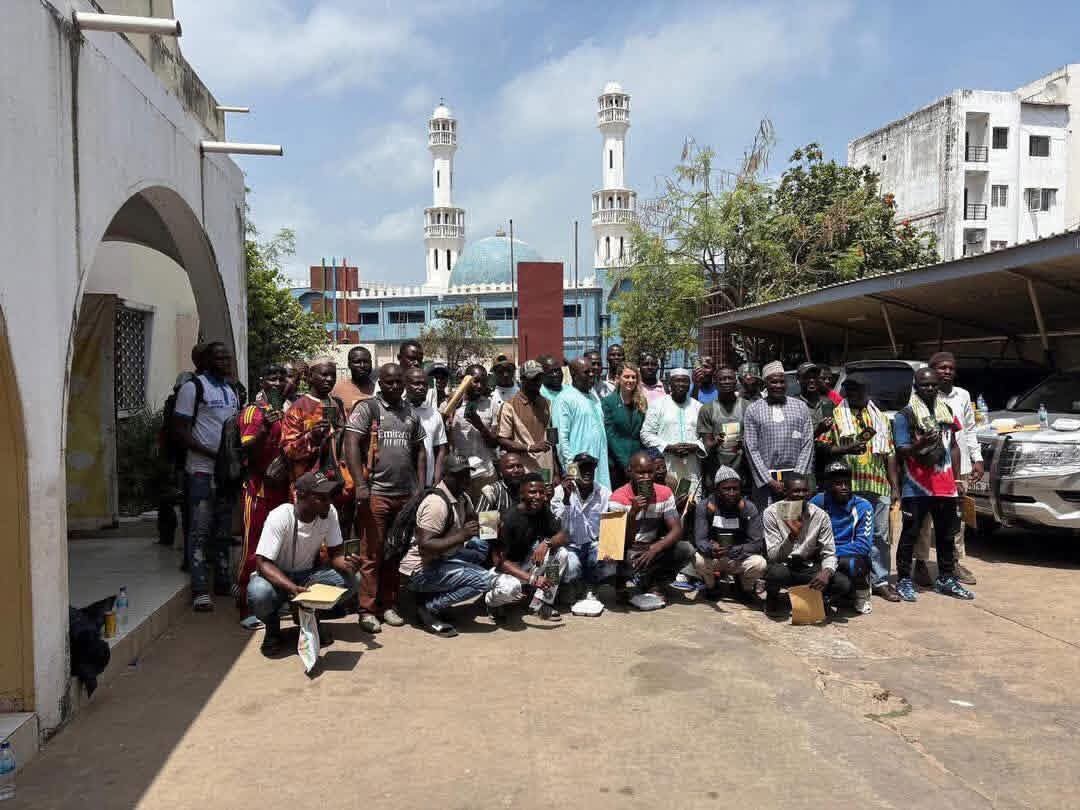
The first cohort was marred by abscondments, with several participants failing to complete their contracts, raising questions about the programme’s effectiveness.
Trade Minister Mod K. Ceesay said the government remains committed to the initiative and is taking steps to learn from past setbacks.
“Absconding is not unique to The Gambia,” he said, pointing out that similar programmes in other countries had faced early difficulties.
Preparations for the second group are already well underway, with departures expected soon.
Unlike the first batch, participants will start work earlier in the agricultural season and complete the full nine-month period in Spain.
Officials believe the revised timeline will help workers maximise earnings and return home in time for a three-month break, creating a structured rotation that encourages compliance and repeat participation.
To prevent further issues, the government is boosting monitoring and support systems for workers both in The Gambia and Spain.
Measures include improved reporting channels and enhanced services abroad.
“We want to develop a framework so that anyone who joins the scheme is incentivised to stay,” the minister said.
The programme is part of broader efforts to provide safer, legal alternatives to irregular migration, often referred to locally as the “backway,” which has claimed many lives.
“It’s a much safer way to travel,” he said, urging young Gambians to avoid dangerous irregular routes.
About the Author