Dakar, 17 June 2026 Women Human Rights Defenders from across West Africa gathered in Dakar this week for a closed-door consultation with diplomats and continental rights leaders, delivering a clear message: they came “not for sympathy, but for solidarity, protection, and the lineage of resistance.”
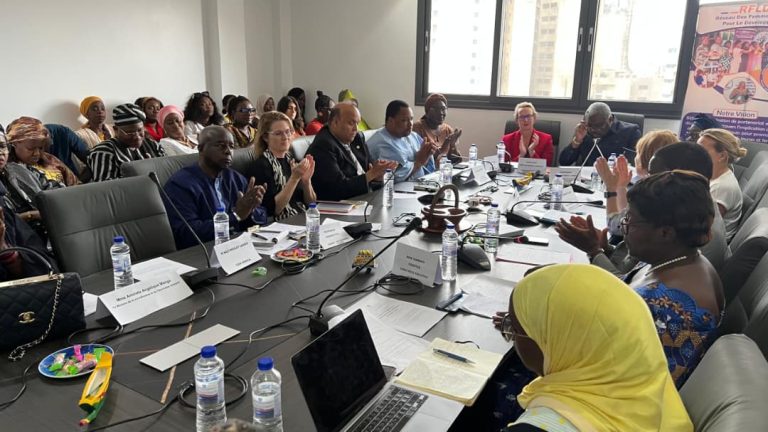
Hosted by the Réseau des Femmes Leaders pour le Développement (RFLD) at its newly inaugurated Dakar Office, the consultation titled _Solidarity, Protection and Lineage of Engagement* broke with convention by putting defenders first. Women from Mali, Burkina Faso, Niger, and Guinea opened the session, followed by institutional and diplomatic voices.
The defenders described shrinking civic space in the Sahel and demanded that Africa’s human rights framework move beyond legal instruments to deliver real, accessible protection at the national level.
Prof. Mabassa Fall, a senior African human rights expert, noted that while the African Charter, Maputo Protocol, and ACHPR Resolutions form a strong legal base, the mechanisms to translate continental decisions into national safety for defenders remain weak.
Prof. Remy Ngoy Lumbu, ACHPR Special Rapporteur on Human Rights Defenders, said the central question is operational: how his mandate translates into protection that defenders can actually feel, especially in transitional governance contexts.
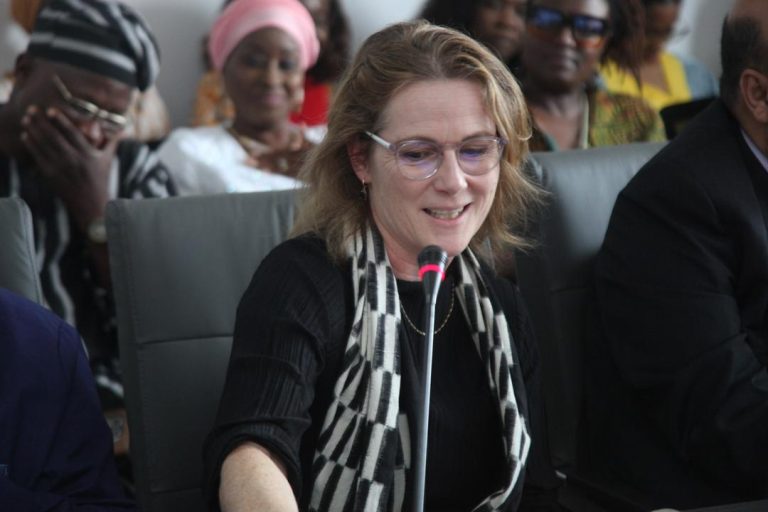
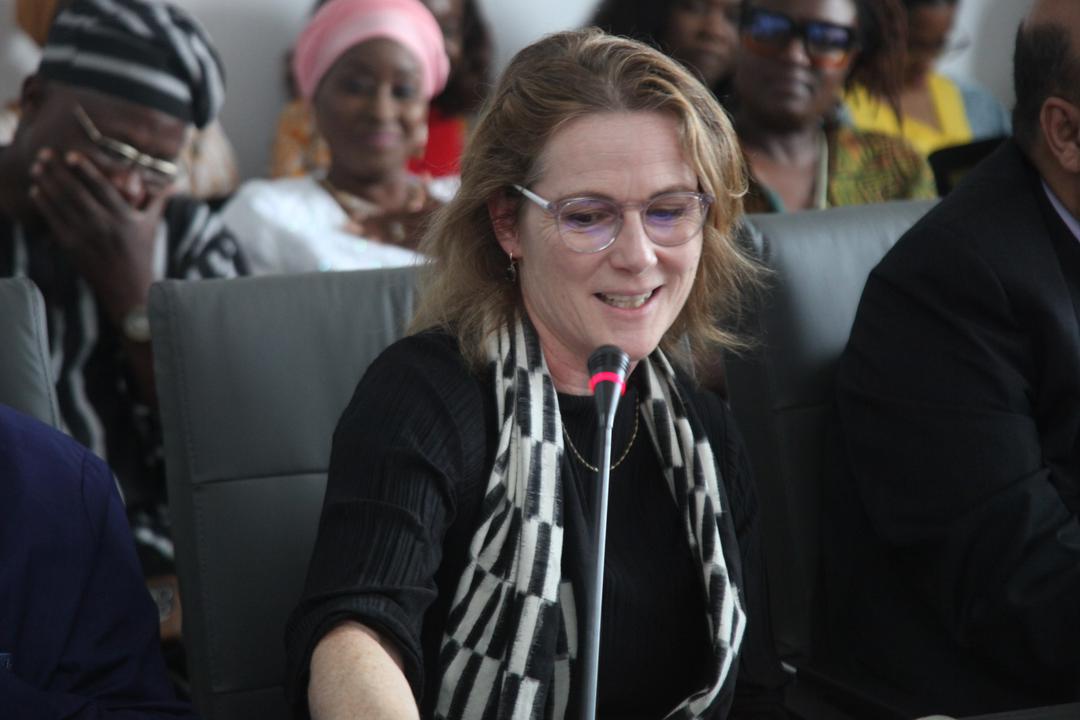
Sweden’s Ambassador to Senegal, H.E. Catharina Cappelin, reaffirmed Sweden’s commitment through diplomatic engagement and development cooperation via Sida, including support for the NAFASI consortium which tackles digital repression and technology-facilitated gender-based violence.
Germany was represented at three levels — Embassy, GIZ Country Director, and Programme Director — reflecting sustained engagement that positions RFLD at both continental policy and grassroots implementation through BMZ-funded programmes.
Hannah Forster, founder of the NGO Forum at the ACHPR and Executive Director of the African Centre for Democracy and Human Rights Studies (ACDHRS) in Banjul, affirmed the day’s methodology: African civil society speaks first because the history and lived reality demand it.
Participants said the consultation restored defenders’ dignity by ensuring they were heard, built networks for mutual aid during threats, and placed grassroots voices and institutional actors in the same room to strengthen accountability.
For Sahelian defenders leaving Dakar, the meeting carried a new message: the continental architecture for protecting women defenders in West Africa is alive, engaged, and for the first time, beginning to listen to them first.
About the Author