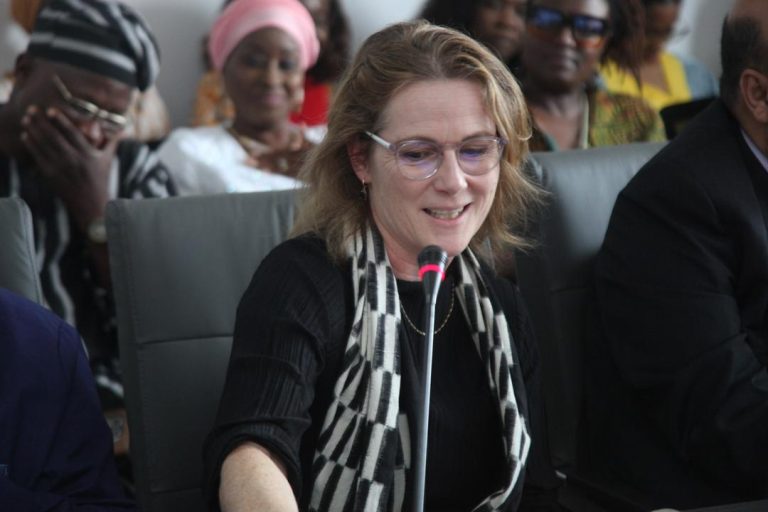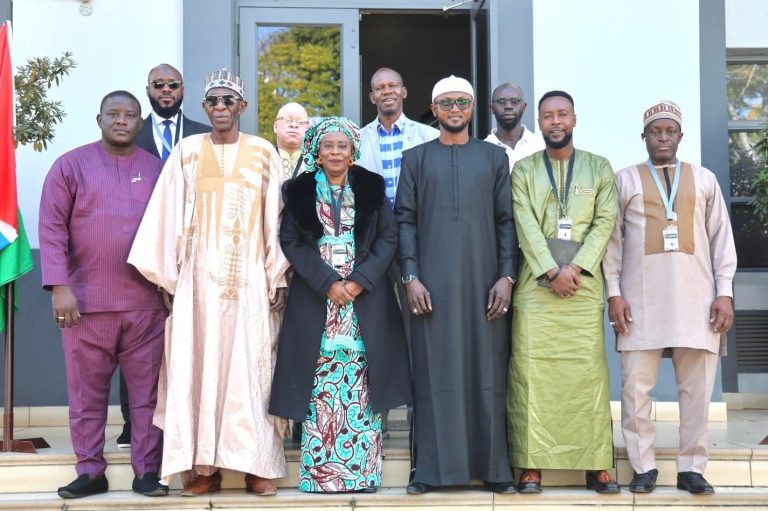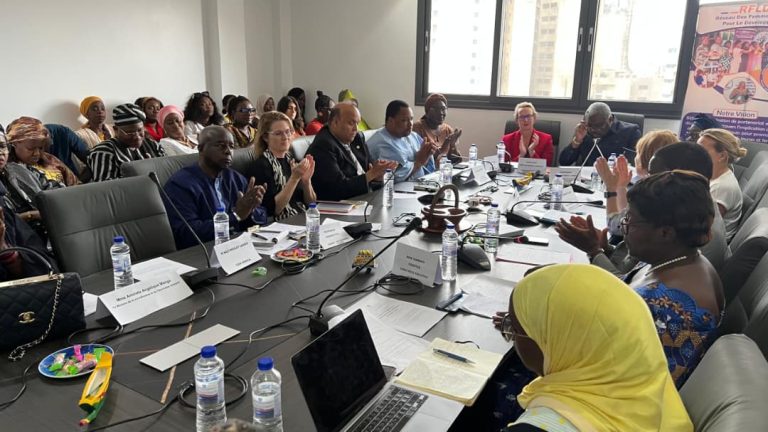
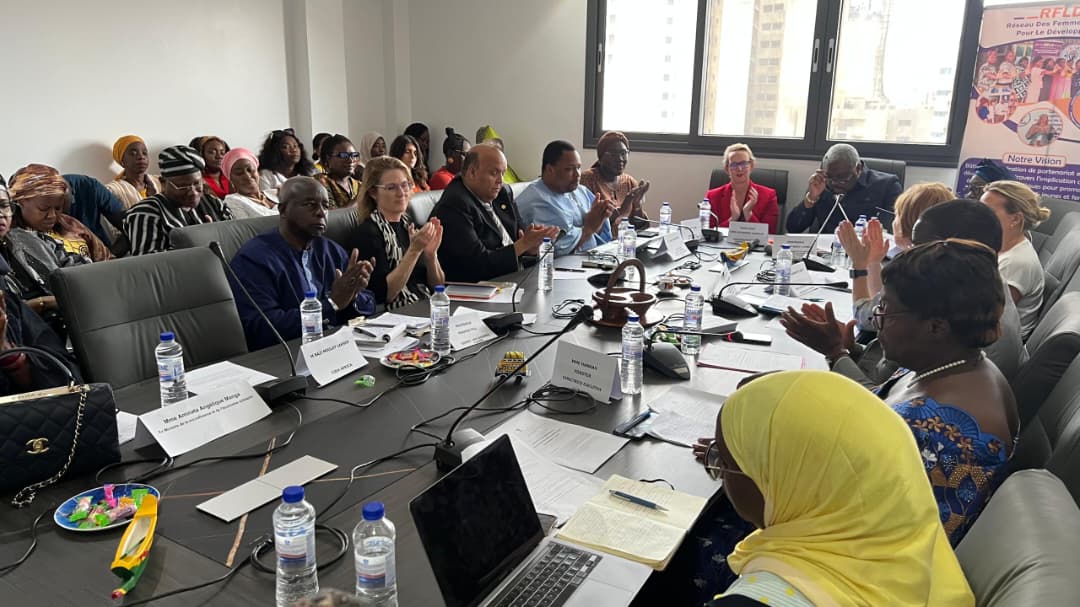
The Réseau des Femmes Leaders pour le Développement (RFLD) brought together feminist leaders and Women Human Rights Defenders (WHRDs) in Dakar on Monday for a high-level Afrofeminist consultation focused on strengthening protection for defenders across West Africa.
Held at the RFLD Dakar Office in Cité Keur Gorgui, the meeting gathered about 30 participants from the Sahel, countries in transitional governance, and Senegal’s feminist civil society. Women defenders from Mali, Burkina Faso, Niger, and Guinea joined institutional actors, donors, and journalists for the conversation.
Titled _“Solidarity, Protection and Lineage of Resistance”_, the consultation was built on a deliberate Afrofeminist approach. RFLD structured the session so that the voices of women defenders came first, followed by experts, institutional representatives, and then donors and government officials.
“She who arrives is bound to those who came before. We move forward by remembering them,” RFLD stated, setting the tone for the afternoon. Drawn from the long history of African women’s resistance, the line shaped both the order of speakers and the priorities discussed.
RFLD said the structure was intentional. Defenders from its network of 670 member organizations opened the session. “The methodology of the Dakar convening was to centre, explicitly and structurally, the voices, analyses and leadership of African women themselves, rather than speaking on their behalf,” the network explained.
The dialogue drew on deep expertise. Mme Hannah Forster, former Executive Director of the African Centre for Democracy and Human Rights Studies (ACDHRS), and Prof. Mabassa Fall, jurist and African human rights expert, shared senior perspectives. Hon. Prof. Remy Ngoy Lumbu, ACHPR Special Rapporteur on Human Rights Defenders, represented continental institutions, while Mr. Naji Moulay Lahsen of the International Commission of Jurists (CIDH) added insights from the Sahel and North Africa.
Diplomatic and donor support was also present. Mme Katja Roeckel, Country Director of GIZ Senegal, and H.E. Catharina Cappelin, Ambassador of Sweden to Senegal, attended alongside senior representatives of the Government of Senegal. Both GIZ and Sida, Sweden’s development agency, reaffirmed their long-term, trust-based support for RFLD’s work.
RFLD describes itself as an African feminist intermediary “conceived, governed and led by African women,” with offices in Porto Novo, Accra, Banjul, and Dakar. The network manages the WAFFF Fund and Africa Portfolio Grant for grassroots groups, runs the DƆNÙESÈ Data Center, and coordinates rapid response for defenders under threat. The Dakar consultation was anchored in RFLD’s BRAVE programme, which connects bodily autonomy, the Maputo Protocol, sexual and reproductive health and rights, and defender protection.
Organizers said spaces like this create impact beyond the room. “They restore the dignity of being heard to defenders whose work is too often silenced. They signal to defenders themselves that they are not alone,” RFLD noted.
The consultation closed by returning to the lineage that guided it: _“Celle qui arrive est liée à celles qui sont venues avant. Nous avançons en nous souvenant d’elles.”_ “She who arrives is bound to those who came before. We move forward by remembering them.”
RFLD holds ACHPR Observer Status No. 553 and currently co-chairs the SEA-T Programme Advisory Council, funded by Germany’s BMZ and implemented by GIZ.
About the Author