
By: Aisha Jallow
The Delegation of the European Union to The Gambia today officially launched the Sustainable Production for Resilient and Inclusive New Generations (SPRING) Programme, a major initiative aimed at strengthening the country’s agri-food sector.
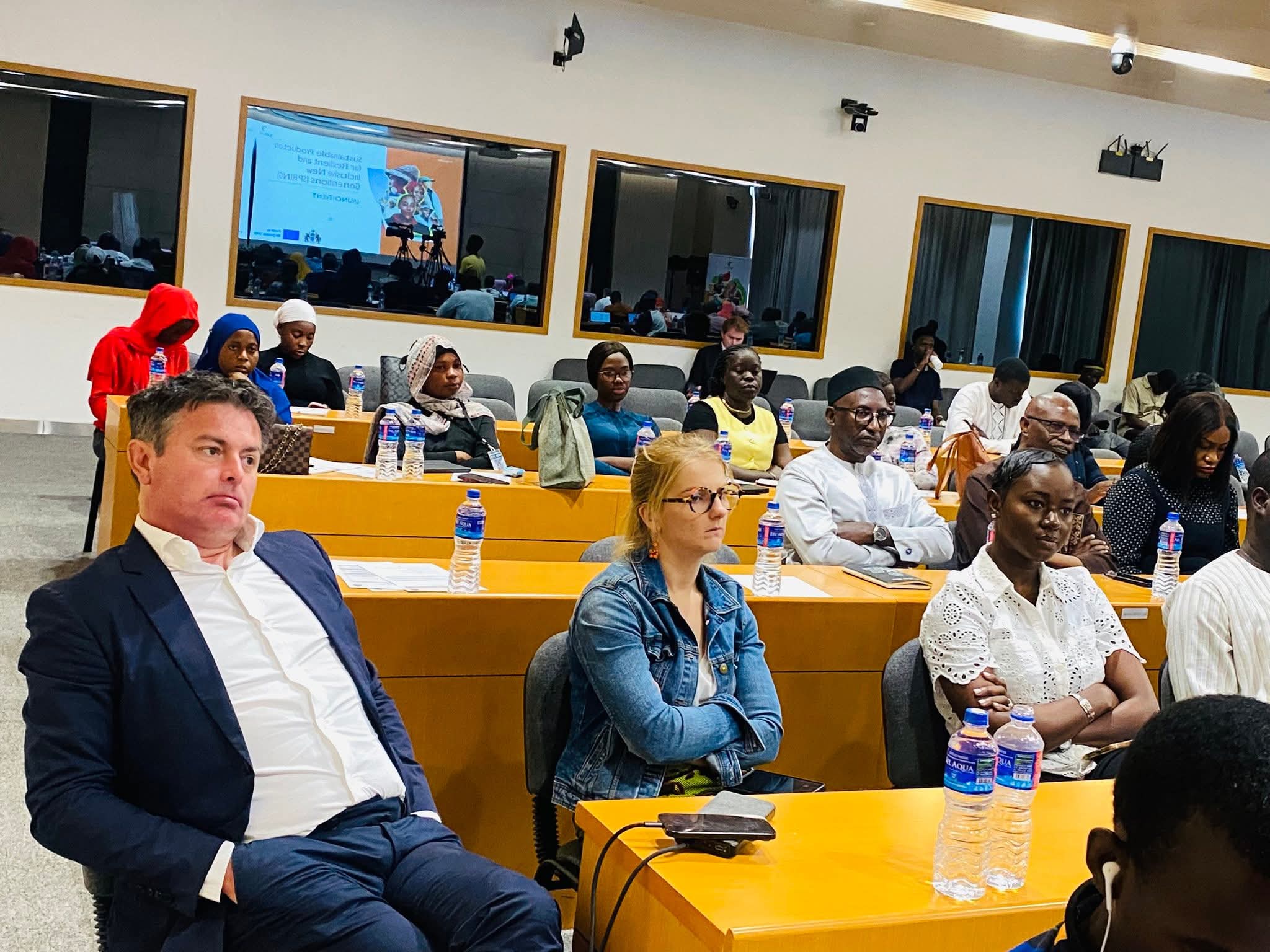
The launch event, held at the SDKJ Conference Centre, brought together senior government officials, development partners, private sector actors, and stakeholders across the agricultural value chain.
Funded by the European Union, the SPRING Programme seeks to promote sustainable agricultural practices, enhance food security, and create economic opportunities—particularly for young people and women—within The Gambia’s horticulture sector.
Speaking at the event, the ambassador of the EU (European union) highlighted the importance of investing in resilient and inclusive agricultural systems, noting that the programme aligns with ongoing efforts to support climate-smart agriculture and long-term economic growth in the country.
Representatives from the Government of The Gambia and COLEAD also delivered remarks, emphasizing the need for stronger collaboration among stakeholders to address existing challenges in the agri-food sector.
The programme will focus on improving productivity, strengthening value chains, and supporting farmers and agribusinesses to meet international standards. It is also expected to open up new market opportunities for Gambian agricultural products.
Three State Ministers graced the occasion, reaffirming government’s commitment to policies that promote sustainable agriculture and private sector participation.
The launch further served as a platform for dialogue, with participants engaging in discussions on the opportunities and constraints within the horticulture sector, as well as strategies for inclusive growth.
The SPRING Programme is expected to play a key role in transforming The Gambia’s agricultural landscape by fostering innovation, resilience, and inclusivity for future generations.
About the Author