

Three Gambian journalists have secured spots in a prestigious six-month fellowship in Ghana, where they’ll dive into investigative journalism, solutions journalism, and fact-checking alongside peers from seven other West African nations.
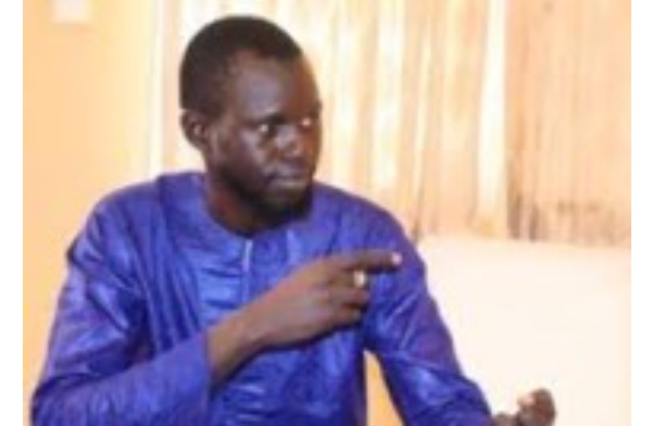
The talented trio includes Ousman A. Marong, the General Manager of Vibes FM—one of Gambia’s leading private radio stations—along with Nyima Sillah, a reporter for Malagen Online Media, known for its investigative work, and Mustapha K Darboe from The Republic. They’ve been selected for this incredible opportunity through the Centre for Journalism Innovation and Development (CJID) SAIL+ Project.
This regional initiative aims to boost investigative reporting and promote accountable governance across West Africa. Journalists from Ghana, Nigeria, The Gambia, Senegal, Côte d’Ivoire, Mali, Niger, and Burkina Faso will participate in this program, which is supported by Free Press Unlimited and funded by the Dutch Ministry of Foreign Affairs.
Reflecting on his selection, Marong shared that this moment is a significant milestone, not just for him, but for journalism in The Gambia as a whole.
“When I took on the role of General Manager at Vibes FM, I promised the people of Gambia that I would leave a lasting legacy. I believe that legacy is already being created, not just for Vibes FM, but for the entire nation. To be the first certified Gambian journalist selected for solutions journalism in West Africa under Nigeria Health Watch, and now to receive this fellowship in investigative journalism—what an incredible beginning for Vibes. I am determined to raise the Gambian flag and put Vibes FM on the global map during my training in Ghana. I’m excited that solutions journalism reporting is among the stories we’ll be producing during this project. One thing I love about solutions journalism is that it’s not just about ignoring the problems we face; it’s about pushing through them. It raises important questions: what’s actually working, why is it effective, and how can we apply these solutions so that others don’t have to go through the same struggles? In the realm of investigative journalism, it’s not about hunting for witches; it’s about holding those in power accountable. Our continent, especially The Gambia, is in dire need of investigative journalism now more than ever,” he expressed.
The program kicks off with a three-day in-person training session—taking place in Dakar for French-speaking fellows and in Accra for English speakers. The training will cover essential topics like investigative journalism, solutions journalism, and fact-checking. Participants will also enjoy six months of mentorship to support their reporting projects, along with stipends to aid their investigative work.
CJID is a pan-African media and development think tank that started in 2014. Its mission is to foster democracy through investigative journalism, civic technology, and policy engagement, particularly in West and Central Africa. Some of its notable platforms include DUBAWA, DAIDAC, UDEME, Campus Reporter, and the Press Attack Tracker.
*About Ousman A. Marong:*
Ousman A. Marong is an experienced journalist from The Gambia and is currently the General Manager of Vibes FM. He made history as the first certified Gambian journalist selected for solutions journalism in West Africa, thanks to Nigeria Health Watch. Recently, he completed training with the Wole Soyinka Centre for Investigative Journalism and took part in the “RUSH with AI” Program in early 2026. Additionally, he serves as the Country Coordinator for the Mediterranean Foundation for the Survival of African Migrants in The Gambia and chairs the Journalists’ International Forum for Migration, which connects over 7,000 journalists worldwide.
On her end, Nyima Sillah, a reporter with Malagen Online Media Gambia, the country’s leading platform for investigative journalism, is known for holding power accountable through its in-depth reporting and media monitoring, she expressed heartfelt gratitude for being chosen for the CJID SAIL+ Fellowship. “This is a huge opportunity for me as a journalist, providing both extensive training and long-term mentorship. I truly believe these aspects are vital for improving the quality and depth of investigative reporting,” she shared.
Sillah emphasized that the fellowship is carefully designed to bring together journalists from all over the region for a collaborative learning experience. “This approach creates a sense of community and encourages us to learn from each other,” she noted.
She also pointed out the significance of the six-month mentorship that follows the initial training. “Investigative journalism is a skill that develops over time, not just in a few days. Continuous guidance, support, and practical feedback are crucial for turning new skills into real progress. This makes the fellowship both practical and relevant for my long-term growth,” she explained.
The insightful journalist conveyed her enthusiasm for enhancing her skills in investigative reporting, fact-checking, and solutions journalism. “By honing in on these areas, I aim to improve how I gather, verify, and present information, ensuring that my reporting is accurate, fair, and evidence-based. Mastering these skills is essential for producing journalism that not only informs and empowers the public but also builds trust and drives meaningful change. I’m really looking forward to applying what I learn during the fellowship to create well-researched and reliable stories,” she concluded.
